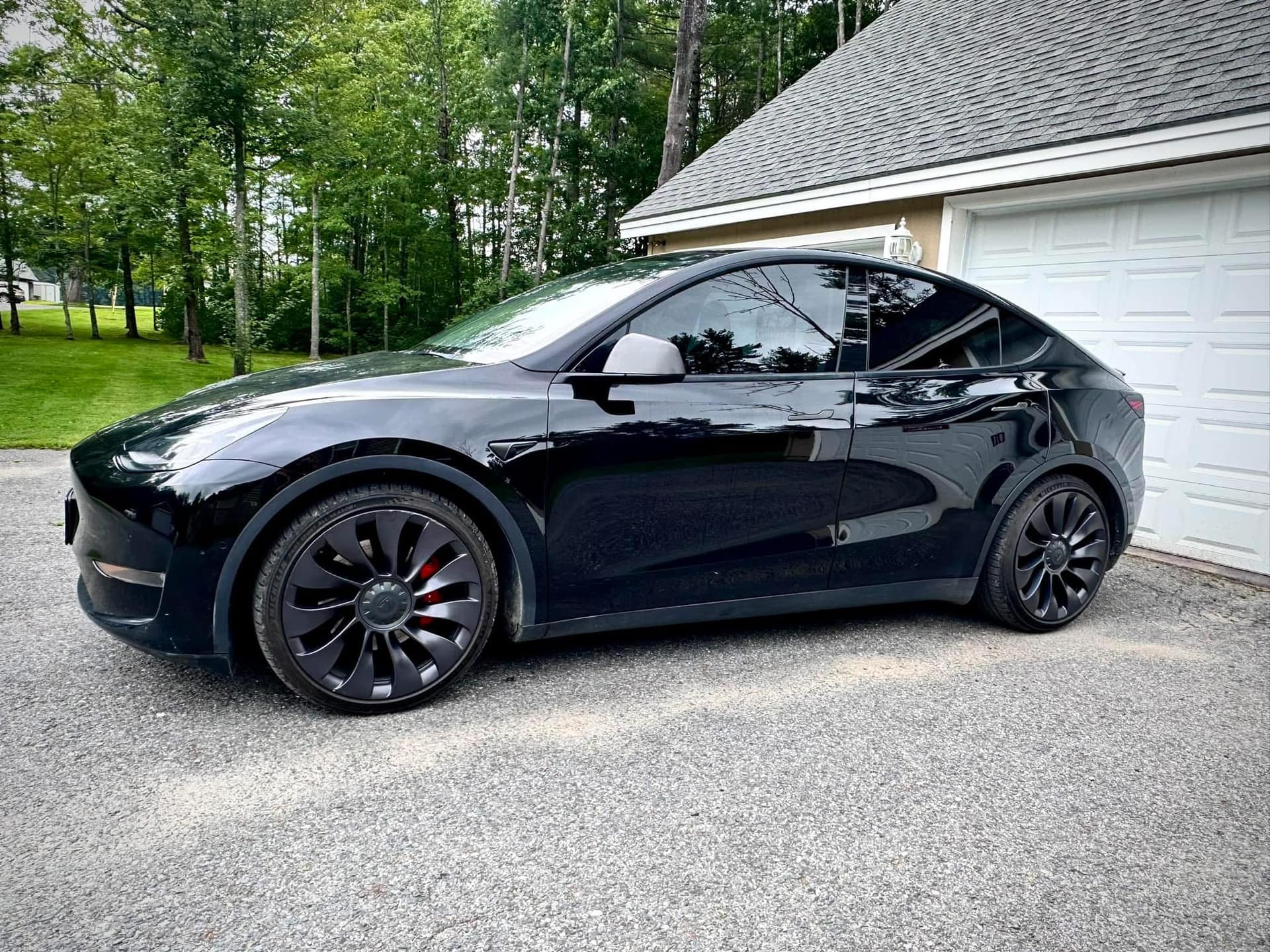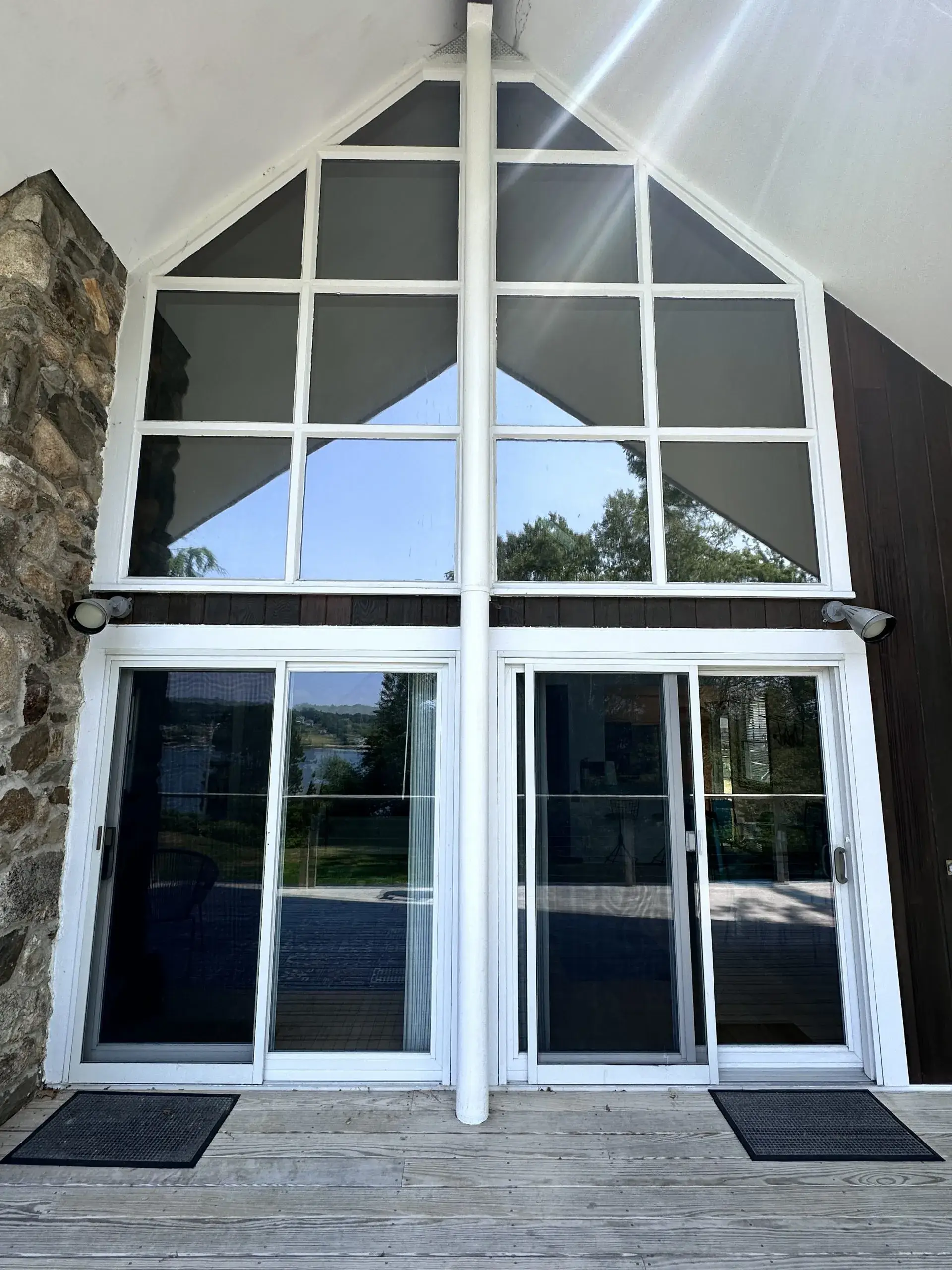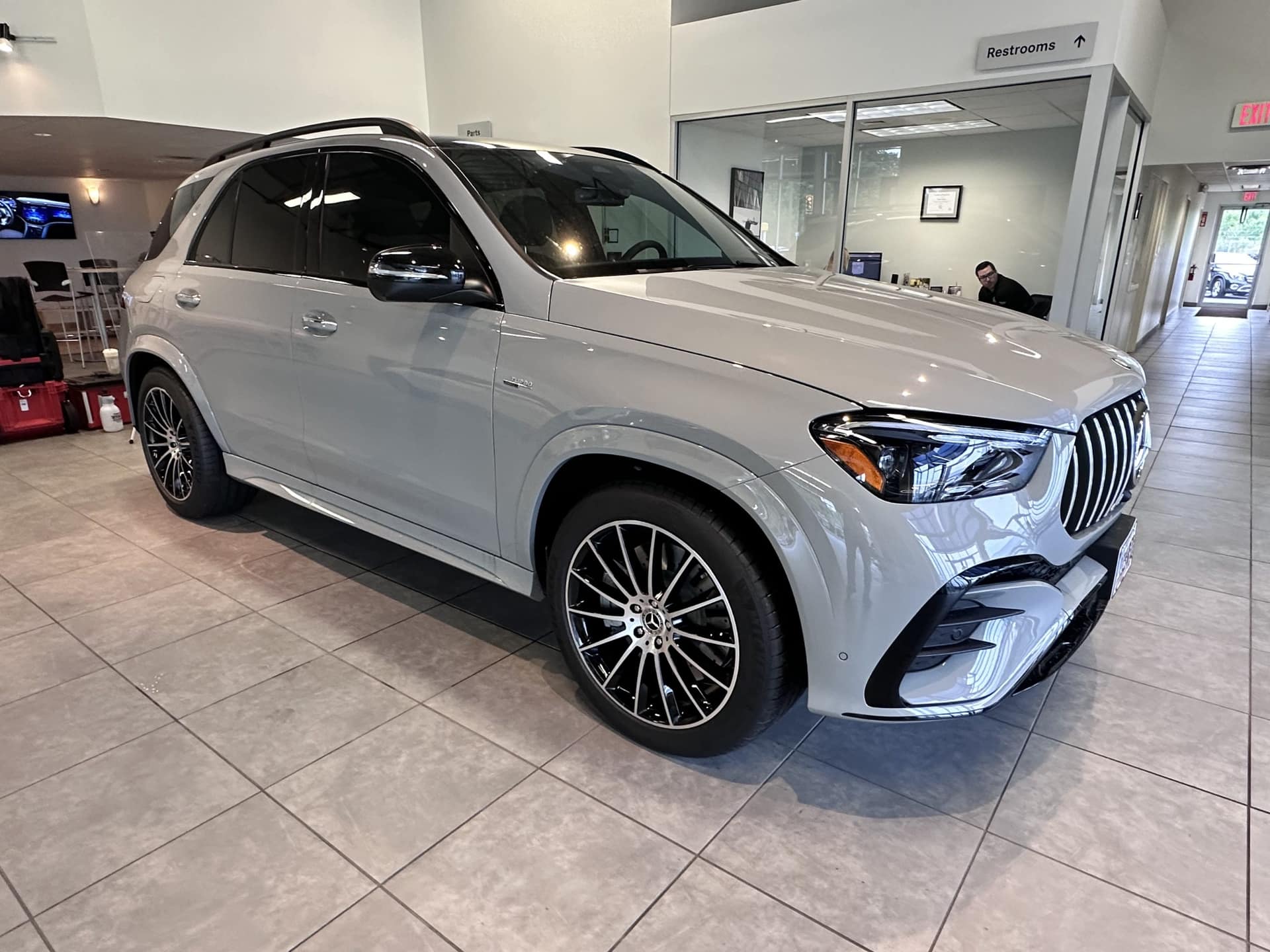
Two of the most popular ways to protect your vehicle's paint are ceramic coatings and paint protection film (PPF). At The Mad Tinter, we install both — and we get asked every week which one is "better." The truth is, they serve different purposes.
What Ceramic Coatings Do
Ceramic coatings create a semi-permanent chemical bond with your paint that repels water, dirt, and UV rays. They make your car incredibly easy to wash and maintain that deep, glossy shine. However, they do not stop rock chips or heavy scratches — they're a chemical shield, not a physical one.
What PPF Does
Paint protection film is a thick, clear urethane film that physically absorbs impacts. A rock that would chip bare paint bounces off PPF harmlessly. XPEL's film even self-heals minor scratches with heat. It's the go-to for front bumpers, hoods, fenders, and mirrors — the areas that take the most abuse.
The Best of Both Worlds
Most of our customers in Bangor and Orono opt for PPF on high-impact areas (full front end) with a ceramic coating over the entire vehicle — including on top of the PPF. This gives you physical rock chip protection where you need it most, plus hydrophobic and UV protection everywhere.
Why Maine Roads Are Hard on Paint
Winter road treatment in Maine means months of sand, grit and salt brine thrown up by the car ahead, and spring brings frost heaves, potholes and loose gravel on back roads. Sand and stones chip the leading edges of a car: the bumper, the front of the hood, the mirrors and the headlights. Salt and grime that sit on the paint dull the finish. That split is exactly where the two products differ. Paint protection film takes the impacts; a ceramic coating makes the salt and road film easier to wash off before it does damage.
PPF Coverage Options
We offer three levels of XPEL paint protection film. Partial front covers part of the hood, the fenders, mirrors and bumper, and suits daily drivers. Full front adds the whole hood and fenders, the headlights and the A-pillars, and is the popular choice for highway commuters. Full body covers every painted panel. Every piece is computer-cut to the exact year, make and model, and XPEL film self-heals light scratches with heat from the sun, a warm garage or warm water.
What a Ceramic Coating Involves
A coating is only as good as the paint under it, so our ceramic coating service starts with a wash and decontamination, a clay bar and paint correction to remove swirls and light scratches, then a panel wipe before the coating is applied and cured. XPEL ceramic coating can go over paint, PPF and glass, which is why so many customers coat the whole car after the front end is filmed.
Which Should You Choose?
If you're on a budget, start with ceramic coating for the whole car. If you drive highways often or have a high-end vehicle, PPF on the front end is a must. For the ultimate setup, combine both. Contact us for a free consultation and we'll recommend the right package for your vehicle and driving habits.